
Worried about someone in an abusive relationship?
ListenApp offers discreet, immediate support.
Think Different: Harmful Behaviour Prevention is a trauma-informed, psycho-educational course for ages 8–18.
Think Different is a trauma-informed abuse prevention and safeguarding programme designed for ages 8–18. Rooted in psychology, neuroscience and education, the course builds emotional regulation, resilience, self-worth and healthy relationship skills.
Delivered through structured modules and educator training, Think Different moves beyond awareness-raising. It addresses the root causes of harmful behaviour including unmanaged stress, trauma, low self-esteem and learned beliefs about power and control.
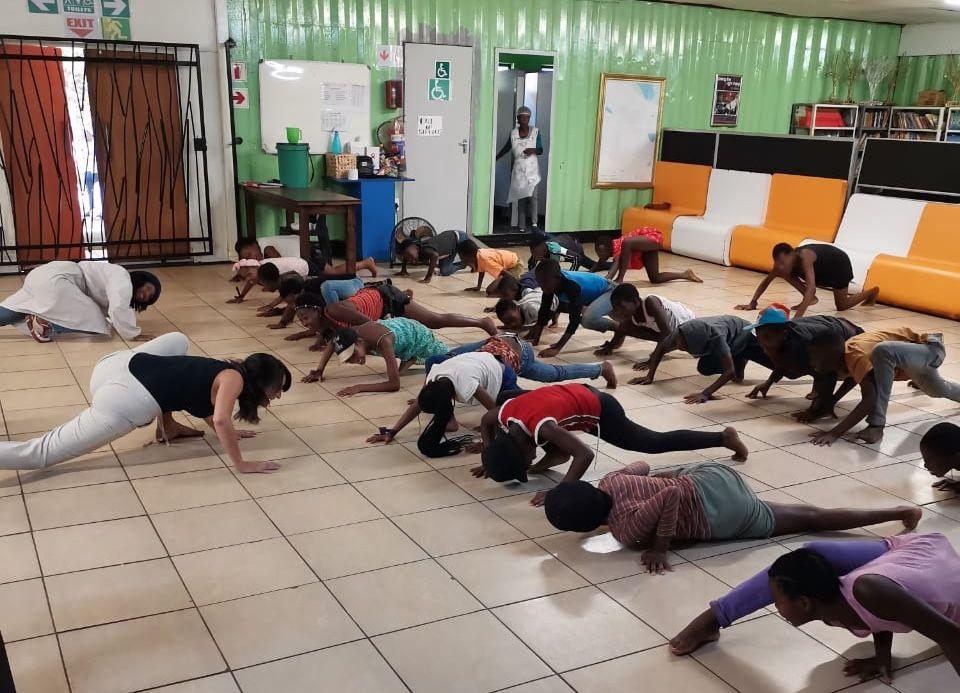
The programme is currently embedded within community settings supporting 1,600+ children and young people, alongside 100+ educators and caregivers through sustained local delivery.
Why It's Different
Think Different combines evidence-based psychoeducation with trauma-informed recovery techniques. Participants learn to recognise risk factors, regulate emotions, challenge harmful beliefs and build healthier relationship patterns.
Rather than only raising awareness of abuse, the programme develops the emotional and cognitive skills required for long-term behaviour change.
The course draws on:
Trauma-informed practice and emotional processing
Psychodynamic, Gestalt & Humanistic psychology
Neuroscience and stress-response regulation
Structured wellness techniques including breathwork and mindfulness
Safeguarding best practice and domestic abuse risk guidance
Evidence and resources from Women’s Aid, NSPCC and sector leaders
Course Structure
The course consists of 8 modules with 24 engaging lessons (3 per module). Each lesson blends teaching, activities, reflection, and wellness practices.
The programme can be delivered directly to students, through teacher-led delivery following training, and within community or youth service settings.
Modules include:
Empowered Self-Worth
self-esteem, confidence, and inner strength
Gender Equality & Inclusion
challenging harmful beliefs and norms
Emotional Intelligence
emotional processing and stress resilience
Conflict Management
non-violent problem solving
Psychology of the Self
self-identity, beliefs, and resilience
Healthy Relationships
respect, boundaries and communication
Trauma & Abuse
recognising harm, recovery, and safeguarding
Future Potentials
aspirations, personal growth, and goal setting
Course Aims
Prevent abusive and unwanted behaviours
Reduce negative, harmful thoughts
Strengthen resilience and stress tolerance
Build self-worth and self-esteem
Improve emotional regulation and coping skills
Provide practical tools to face adversity and challenges
Impact So Far
To date, Think Different has been embedded within two community centres in South Africa, where trained staff are delivering the programme on an ongoing basis. Through this sustained, locally led delivery, Think Different is now supporting 1,600+ children and young people, alongside 100+ educators and caregivers, helping to create safer, more resilient communities.
The programme is designed for scalability across UK schools, alternative provision settings and youth organisations, aligning with RSHE and safeguarding frameworks.
Measured outcomes included
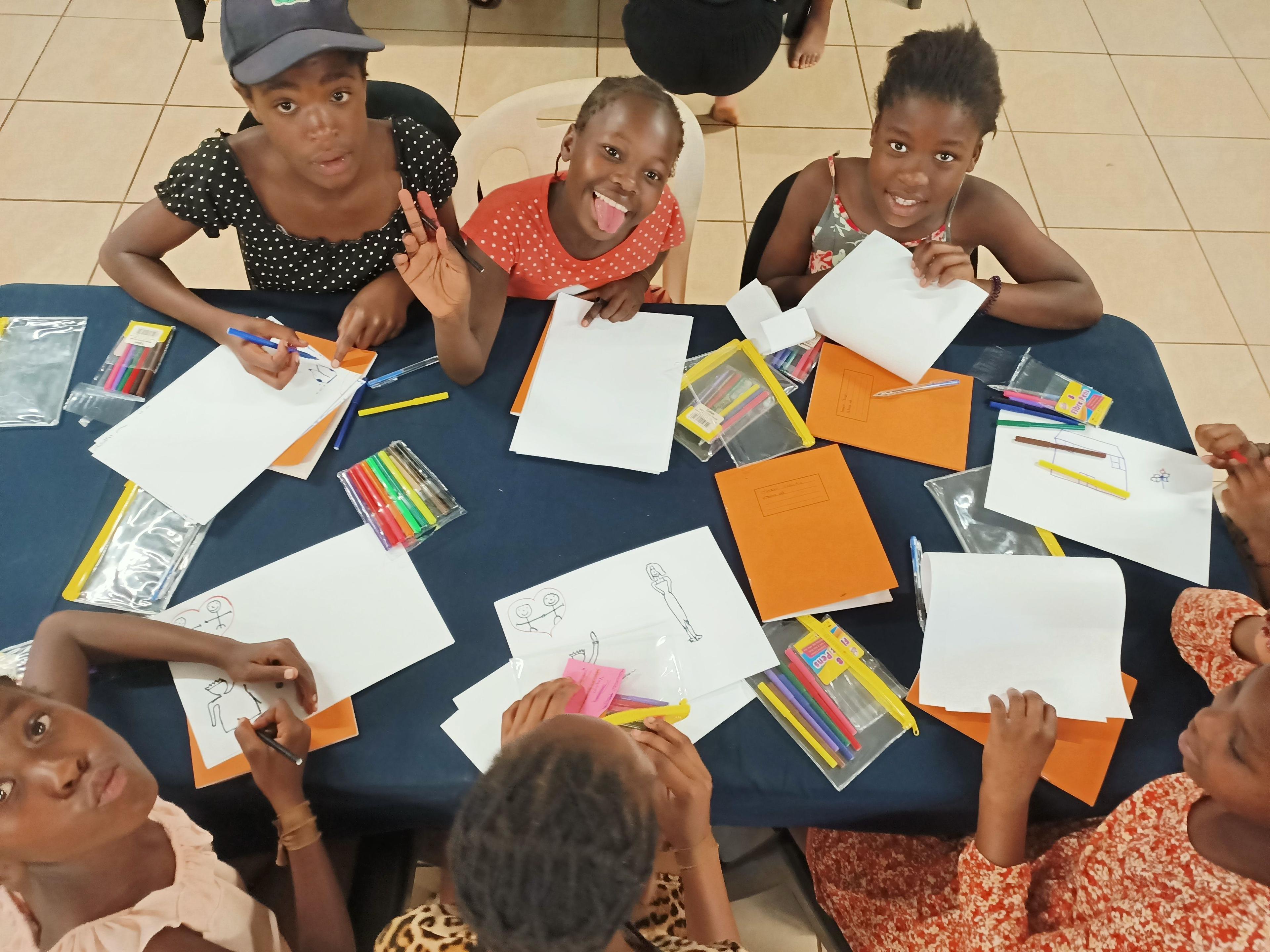
Powerful discussions emerged too. Girls as young as nine described rape and teenage pregnancies as common experiences. Others believed men should not show emotions, or that hitting women was acceptable when stressed. Through open dialogue, these harmful beliefs were challenged and replaced with healthier, more equal perspectives.
Moments like these are only possible because of our supporters.
Training for Educators & Staff
We deliver specialist training for educators, safeguarding leads, community workers and frontline professionals. Training equips staff to understand trauma, recognise domestic abuse risk factors, regulate emotional responses and deliver the full Think Different curriculum safely and confidently.
Training covers:
Neuroscience of the brain, behaviour, and emotions
The impact of trauma and recovery approaches
Domestic abuse risk factors and support
Safeguarding and support strategies
Full walk-through of all 8 modules
Tools for emotional regulation and mental resilience
Participants receive:
24 detailed lesson plans (3 per module)
A comprehensive training handbook
Student handouts and activities
Trauma recovery templates and frameworks
Emotional processing and self-improvement techniques
Guided meditations (audio and written)
Yoga flows (printable and video)
Psychological evaluation tools to measure impact
Delivery
Training is delivered over three half days and includes full curriculum walk-through, safeguarding guidance and implementation support. The programme can be adapted for schools, public sector settings, NGOs and community organisations.